Deep within the oral traditions and cultural history of the Ʋedome people rests an instrument unlike any other. Known as Adaʋatram, which translates chillingly to “madness has overtaken me,” this sacred war drum carries a heavy legacy of ancient battles, raw fear, and profound spiritual power.
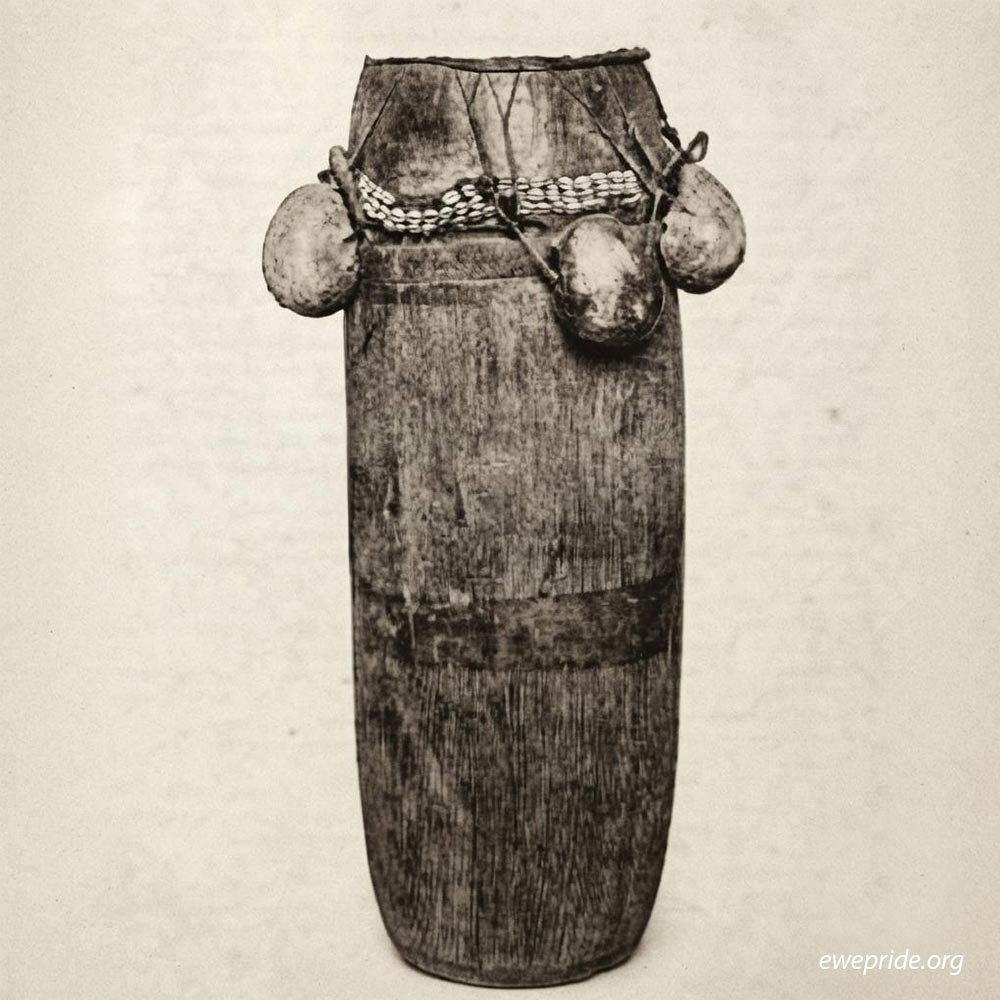
The physical appearance of the Adaʋatram is as haunting as its name. Tied securely around its body are seven human skulls, serving as a grim testament to the conflicts of the past. Adding to its intense ritualistic nature, human elbow bones are utilized as drumsticks to strike the instrument. Every single detail of the drum was historically designed to project psychological intimidation and channel powerful ancestral forces on the battlefield.
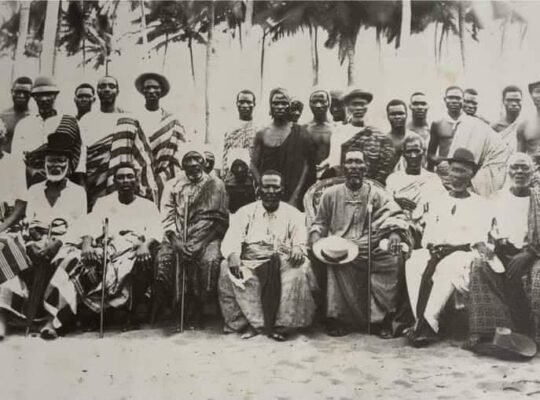
In eras long gone, the drum acted as a terrifying rallying cry. Today, because physical warfare has ceased, the Adaʋatram is preserved for a singular, monumental occasion: the solemn funeral rites of chiefs and warlords. Its use is bound by strict, unyielding traditions. The drum is never played casually or continuously; instead, it is sounded precisely seven times, traditionally at midnight to deepen the eerie atmosphere of the ceremony. Before it is struck, public warnings are strictly issued, requiring all strangers to stay away from the proceedings.
Just as the instrument itself is extraordinary, the rules governing who may interact with it are fiercely guarded. Ordinary people are strictly forbidden from dancing to the Adaʋatram. Movement to its rhythm is reserved exclusively for chiefs, elders, great warriors, or individuals possessed by ancestral spirits. When the Adaʋatram echoes through the dark, it bridges the physical world and the spiritual realm, honoring the fierce legacy of ancestors who once marched to its terrifying beat.