





A dance made for participation Borborbor is known for its lively rhythm, linked singing and circular movement. A lead singer may begin a line, and dancers and drummers answer, turning music into a conversation. People clap, step and move together.…
A dance made for participation
Borborbor is known for its lively rhythm, linked singing and circular movement. A lead singer may begin a line, and dancers and drummers answer, turning music into a conversation. People clap, step and move together. The form can be performed at celebrations, community gatherings and public events, where participation matters as much as watching.
Many accounts associate the popularization of modern Borborbor with Francis Kodzo Nuatro, a musician from the Kpando area. Ghana News Agency described Nuatro as an originator and icon. Other community accounts argue that related music and dance were already practiced in Wusuta and nearby communities before Borborbor became widely known under that name. The debate is not settled by repeating one origin story as fact.
Wusuta, Kpando and a shared cultural map
The disagreement over origins reflects a familiar problem in cultural history: a form may develop gradually, travel between neighboring communities and acquire a name later. One person may popularize or organize a style without inventing every element from nothing. Music changes through borrowing, teaching and performance; local communities can remember different stages of that process.
Borborbor is associated with Ewe communities in the Volta Region, especially the Kpando area, but it has traveled well beyond its early centers. The circular formation creates a visible sense of collective movement. Drums, bells and voices interact, while dancers respond to the lead. A performance is therefore not simply a fixed choreography; it is a social event shaped by musicians and participants.
From local gatherings to public culture
The dance has appeared at festivals, school events, concerts and political gatherings. As it moves into larger venues, performers may adjust its length and arrangement. Instruments may be amplified; groups may use costumes or choreographed entrances. These changes do not necessarily erase the tradition. They show that musicians adapt a familiar form to different audiences.
The story of Nuatro deserves inclusion because communities credit his work with helping Borborbor reach a wider public. A complete history should also record voices from Wusuta and other towns, asking what they played before the modern style took shape. Oral histories from musicians can reveal how songs, rhythms and names moved across the region.
A rhythm that keeps inviting people in
Borborbor remains powerful because it is easy to recognize and built for shared energy. A dancer can enter the circle, listen, respond and become part of the music. Its history, like its performance, belongs to more than one person or place.
A circle that carries a rhythm forward
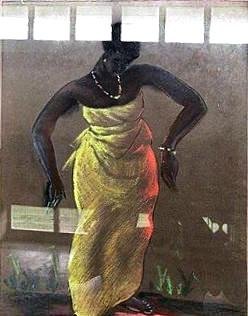
Borborbor works because it draws people into the performance. The singing answers the lead; drums and rattles give the dancers a pattern to follow; the circle makes the audience part of the event. A person can watch for a moment and then join. The dance is both music and social invitation, with room for movement, humor and response.
A common account credits Francis Kodzo Nuatro with popularizing Borborbor. Ghana News Agency remembered him as an originator and icon. A competing account from Wusuta says the style’s roots began there before it became closely associated with Kpando. Those claims need to be presented together. A cultural form may evolve in several places, while one musician gives it a name, organizes a group or carries it to a wider audience. “Invented by one person” and “created by an entire region” are not the only choices.
The names in the debate matter. Local musicians may remember earlier rhythms under another name or describe a predecessor dance that later entered Borborbor. A historian should ask what they mean by “origin”: first performance, first group to use the term, the person who standardized a format, or the moment it became publicly popular. Different answers can coexist without one town’s story being dismissed.
Ewe musical traditions are connected to social life. Research on Ewe music shows that genres can carry knowledge about history, values, religion and community relationships. A dance may have sections that shift tempo or mood; a song may comment on an event; a lead drummer can guide movement while musicians improvise. The performance teaches its structure through participation. A written description can orient readers, but it cannot fully replace hearing the sound.
Borborbor’s public life has expanded through festivals, schools, concerts, radio and political events. Groups may change instrumentation or choreography for a stage. These changes do not automatically make a performance less traditional. A living tradition is shaped by the choices performers make for new audiences. Those changes are part of Borborbor’s history, not evidence of a lost, unchanging original.
Nuatro’s life and contribution deserve specific detail: where he learned music, which group he led, what arrangements he made, and how people outside his community first encountered Borborbor. Those questions should be answered with interviews, recordings and contemporaneous reports. Musicians who remember the early performances can describe the sound in ways that later summaries cannot.
A story of Borborbor can open with the circle filling and the first answering chorus, then follow the music back through the people who carried it. That narrative keeps the energy of the form while leaving room for the historical debate. The dance’s history is not weakened by multiple contributors; it becomes richer when we can see how an idea traveled, changed and found new homes.
The first name may not be the whole origin
The Borborbor origin debate cannot be settled by choosing the first newspaper that called someone an “originator.” Musicians may use that word for the person who created a recognizable arrangement, formed a performing group or carried the dance to new audiences. A community that remembers an earlier dance may use “origin” to mean the roots from which the form grew. These meanings are different, and the debate becomes clearer once they are named.
Nuatro’s contribution and Wusuta’s memory can therefore both be investigated. Did Nuatro compose particular songs or rhythms? Was he the first to give the style its modern name? Which musicians performed before his group, and what did they call their music? Recordings, family testimony and dated event programs could answer these questions. The available public accounts preserve a meaningful disagreement, not a final verdict.
This is how music history often works: a style is refined through collective performance, then a person’s name becomes attached to its public arrival. The attribution can honor a key innovator while still recognizing those who supplied earlier rhythms, steps and songs. Borborbor’s living community is the best source for tracing those links.
A dance travels by being remade
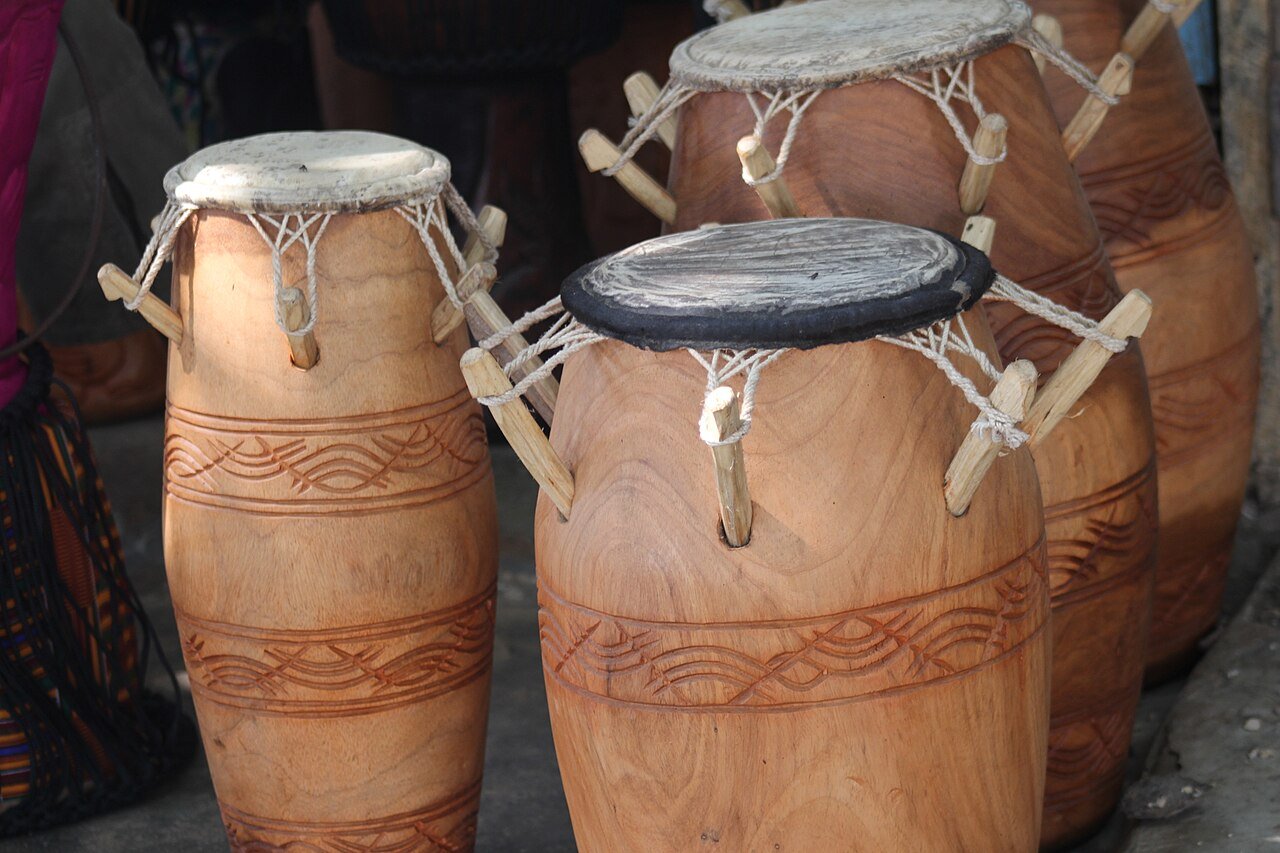
Borborbor is most recognizable as a participatory dance, with singing, drums and rattles inviting people into a circle or moving formation. The performance depends on response: a lead singer or drummer cues the group, dancers answer with movement, and the rhythm can shift as the event develops. People do not simply watch the dance; they learn it by joining.
Accounts commonly associate Borborbor with Kpando and credit Francis Kodzo Nuatro with helping shape or popularize it. Wusuta also has a strong origin claim, and local accounts describe earlier forms that fed into the dance’s development. These claims need careful comparison because “origin” can mean several things: the first community to perform a related rhythm, the person who gave it a name, the group that created a recognizable format or the musician who carried it to wider audiences.
The debate is a familiar feature of cultural history. A dance does not always emerge at one moment from one inventor. It can grow through exchange among neighboring communities, with musicians adapting older rhythms and audiences recognizing a new style. One person may become central because they organized a group or developed a performance, while the community supplies the movement vocabulary and social setting.
Borborbor’s spread through schools, festivals, cultural groups and public events helped make it widely known in the Volta Region and beyond. Each new setting can alter the performance. A stage presentation may shorten a dance or arrange it for spectators; a community event can leave more room for improvisation and participation. These versions are related but not identical.
Music scholarship on Ewe performance emphasizes the close relationship among song, drumming and dance. Rhythm can carry social commentary, local memory and religious meaning. The movement of dancers also communicates; the circle, gesture and call-and-response organize how people see themselves in relation to one another. A written article cannot reproduce the sound, but a well-attributed recording can help readers hear how the event works.
The dance’s history should honor both named innovators and collective creativity. Nuatro’s contribution deserves recognition where sources support it, and Wusuta’s memory should be represented rather than dismissed. The question is not simply who owns Borborbor. It is how a regional form took shape, how it traveled and why communities continue to claim it as their own.
The rhythm belongs to its performers
A living dance is shaped by those who perform it. The lead singer can alter a verse to address a guest or comment on a public event; drummers can adjust tempo; dancers respond with gestures learned from elders and peers. This improvisation lets a familiar form remain current. A stage performance may preserve selected movements, while a community gathering can give participants more freedom to answer the music.
The history of Borborbor should give credit precisely. Francis Kodzo Nuatro is widely associated with the dance’s development, and Kpando has become strongly identified with it. Wusuta’s claim to earlier roots should also be included when supported by local testimony. These accounts may describe different stages: an older rhythm, the naming of a form, the organization of a group or its popularization. Asking witnesses what they mean by “origin” can make the debate more informative than choosing a single winner.
Recording the dance well requires more than a short clip. It needs the names of performers, the event, the community and the song or rhythm where those details are public. A performance video can document how the dance works, but it should be shared with permission. Musicians and dancers are authors of the performance, and their contribution deserves attribution.
A living dance brings generations together
Borborbor’s popularity is also a story of teaching. Young dancers learn by watching older performers, following the drum and joining the response. The dance makes cultural knowledge physical: a person learns timing, gesture and social confidence by taking part. Schools and cultural groups can preserve a staged version, while community celebrations retain a setting where participants shape the event themselves.
The rhythm has traveled beyond its first communities through festivals, recordings and migration. Each performance can renew recognition among Ewe speakers and introduce the dance to new audiences. At the same time, the broader its popularity becomes, the more important attribution is. Naming the musicians, choreographers, singers and community histories keeps a regional art form connected to the people who developed it.
Sources and further reading
Sources and further reading
- Ghana News Agency, “Remembering Francis Kodzo Nuatro, Borborbor Originator and Icon”
- MyJoyOnline, “Before Kpando There Was Wusuta: The Untold Origins of Borborbor”
- J. S. Kofi Gbolonyo, Indigenous Knowledge and Cultural Values in Ewe Musical Practice
- Ghana News Agency, report on Francis Kodzo Nuatro and Borborbor
Share: