





More than a place to buy and sell A market is a map of relationships. At Keta , people come together to exchange food, fish, cloth, household goods and news. The town’s position between the Atlantic coast and the Keta Lagoon has shaped its economic…
More than a place to buy and sell
A market is a map of relationships. At Keta, people come together to exchange food, fish, cloth, household goods and news. The town’s position between the Atlantic coast and the Keta Lagoon has shaped its economic life for generations. The market is not separate from the landscape: the lagoon, beaches, roads and changing weather all influence what arrives and who can trade.
The archive notes describe a market cycle and a range of goods brought from nearby communities. Keta has long been part of a regional trading world. Historical scholarship on Anlo shows that markets and technology shaped social change well before the colonial period. Trade connected farming and fishing towns, encouraged movement and created opportunities for people to specialize in particular goods.
A coastal economy in motion
The coast and lagoon offer different resources. Fishing communities bring fresh and smoked fish; farming areas supply crops; traders carry imported and locally made items. Some exchanges happen through money, while others have historically depended on credit, kinship and trust. Market networks can help households cope when one source of livelihood is disrupted.
Keta’s history also includes political change and environmental pressure. The shoreline has shifted, storms and erosion have affected settlements, and the lagoon’s ecology shapes daily work. A market adapts as people change where they live and how they travel. The modern market therefore carries both continuity and change: older trading relationships persist alongside new transport, products and business practices.
The people who make a market
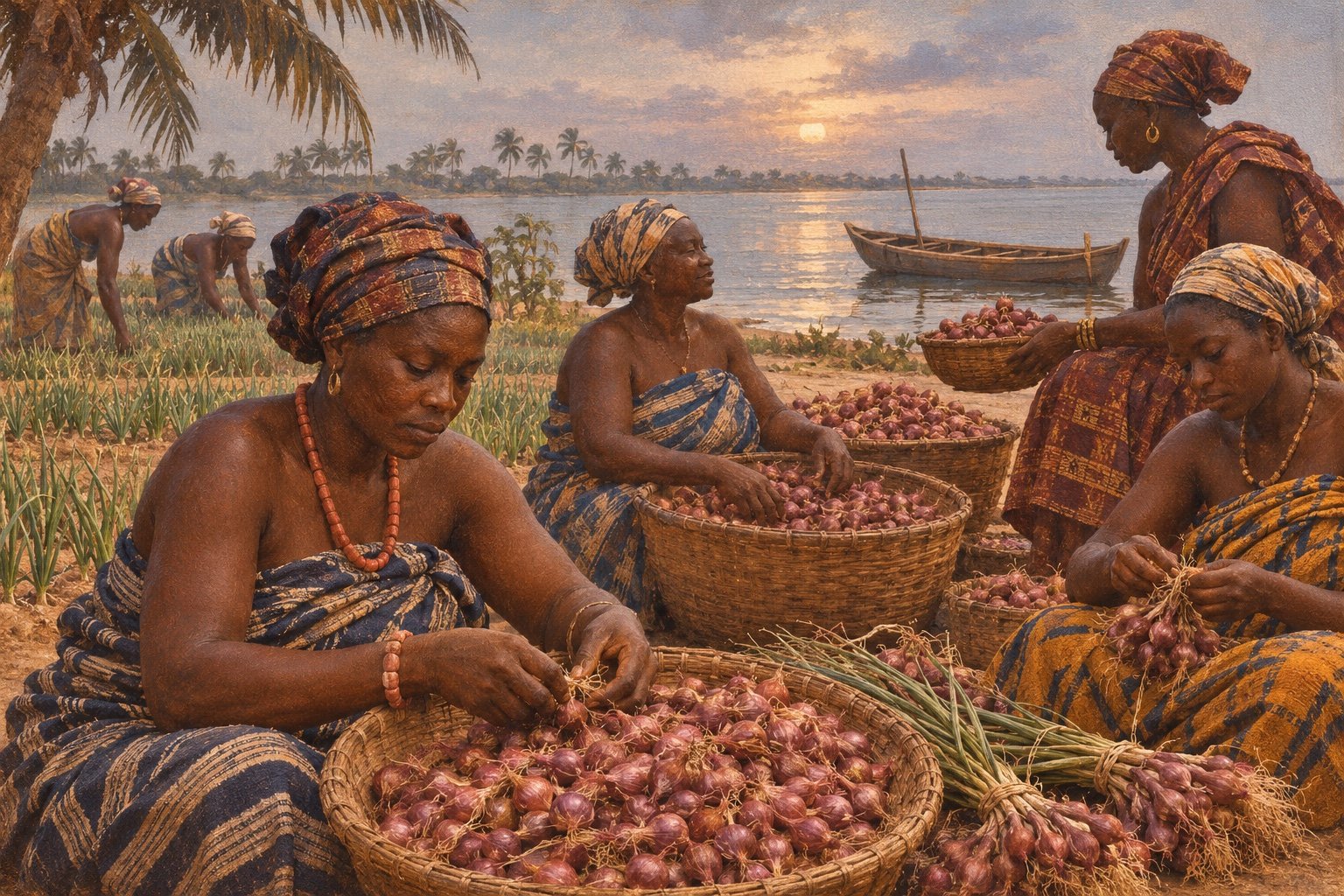
The visible stalls tell only part of the story. Market women, fish smokers, farmers, porters, drivers and food sellers all bring specialized knowledge. They judge freshness, negotiate prices, manage risk and maintain networks with suppliers. Women have played important roles in market exchange across Ghana, though exact responsibilities and authority differ by place and period.
Traders’ memories add details that broad economic histories cannot: which goods once filled the stalls, how roads and transport changed business, and how fishing seasons shaped the market calendar.
Why the market matters
Markets turn local production into regional connection. At Keta, the meeting of coast, lagoon and road has helped make exchange central to community life. The market is also a social space where people encounter relatives, hear announcements and read the changes in the wider economy through prices and supply.
Where the coast meets the lagoon
Keta Market makes sense when the reader looks beyond the stalls. The town stands between the Atlantic and the Keta Lagoon, in a region where fishing, farming, transport and commerce have long been connected. The coast supplies fish and salt; lagoon and river routes carry people and goods; inland settlements contribute crops and craft. A market is where these landscapes meet and where a household’s labor becomes an exchange.

Scholarship on eighteenth-century Anlo identifies markets and technology as forces of social change. This pushes the story beyond the idea that bustling commerce began with colonial roads. Traders and producers were already moving goods and negotiating relationships. New technologies and political conflicts altered the routes, but they did not create exchange from nothing.
A coastal market depends on timing. Fish must be smoked, dried or sold while fresh. Farm produce follows seasons. A trader may travel from one settlement to another and rely on family or business relationships to find a supplier. Price is shaped by what has arrived, who needs it and whether transport is available. These decisions require specialized knowledge, even when no one writes them down.
Women have been central to trading networks across Ghana, including coastal markets. Their work can include purchasing fish, processing it, selling food, managing credit and supporting a household. But the structure of authority differs from one market to another. It would be inaccurate to assume that every seller has the same role or that women’s commercial success removes the pressures of household labor, access to capital or changing environmental conditions.
Keta’s market has lived through major transformations. Colonial government, roads and railways altered trade routes; modern transport introduced new speeds and new competition. Coastal erosion, storms and changes in lagoon resources affect where people live and what they can sell. The market changes with its town. The sight of a familiar stall may conceal a new challenge in sourcing fish or getting goods to customers.
Market routines change with transport, technology and demand. Long-time traders have seen goods arrive by older routes and newer roads, while younger sellers use mobile payments and social media to reach customers. Their experience connects the market’s past to its present.
A full feature should let the market speak through its people. Follow a seller through the morning: the first goods unloaded, the quick assessment of freshness, a negotiation, a regular customer arriving with news. This scene can open a history of regional exchange, environmental change and women’s work without turning vendors into background for a tourist photograph.
Keta Market is both economy and public square. It distributes food, but it also circulates information and relationships. In a town shaped by sea and lagoon, that daily meeting is one of the clearest ways to see how local history continues to move.
What one market morning can reveal
A market morning can show how the regional economy works at human scale. A fish seller needs to know which boat has landed, how much stock is available and who will buy before the product spoils. A farmer depends on transport and rain; a trader may extend credit to a customer who will pay after the next catch. These interactions make a market more than a place where prices are posted.
The market also reflects environmental history. Coastal erosion can displace households; changing fish stocks affect the amount and species available; lagoon conditions influence transport and fishing practices. Historical accounts of Keta and Anlo should connect these changes to people’s decisions, not present environmental pressures as a scenic backdrop.
Market history comes alive through the people who move its goods: women traders, fish smokers, farmers and transporters. Their work links eighteenth-century exchange networks to the present-day economy and shows how each generation adapts the market to new routes and needs.
Keta’s market in a town built by water and trade
Keta’s history cannot be separated from the lagoon and the sea. The town stands on a narrow sand barrier between the Keta Lagoon and the Atlantic, part of a coastal landscape constantly shaped by currents, storms and sediment. The lagoon gave households access to fish and salt, while the coast connected the town to maritime trade. A market at Keta therefore belonged to a larger economic geography, not only to the stalls inside one town.
Historical research on Anlo shows that lagoon fishing, salt production and the movement of fish and salt supported exchange with inland communities. Salt from the coastal lagoons could travel toward markets along the Volta and into the interior. Dried fish also moved through regional trade networks. These goods were important because they could be preserved and carried beyond the shoreline, linking fishers and salt producers with farmers and traders far from the coast.
The coastal economy drew on specialized knowledge. Fishers understood changing water conditions and fishing grounds; salt makers worked with tides, evaporation and shallow basins; traders assessed quantities and prices; carriers moved goods along routes that changed with the season. The market brought those skills into contact. It was also a place for news, social obligations and the circulation of ideas. Prices were only one kind of information exchanged there.
Keta later became an important port and commercial town. European trade, colonial administration and transport altered its regional role. The rise of other ports and transport routes changed where goods moved, while the opening of Tema in 1962 contributed to Keta’s decline as a major port. Historians describe the town as one of Ghana’s older coastal ports; its fortunes shifted with both policy and infrastructure.
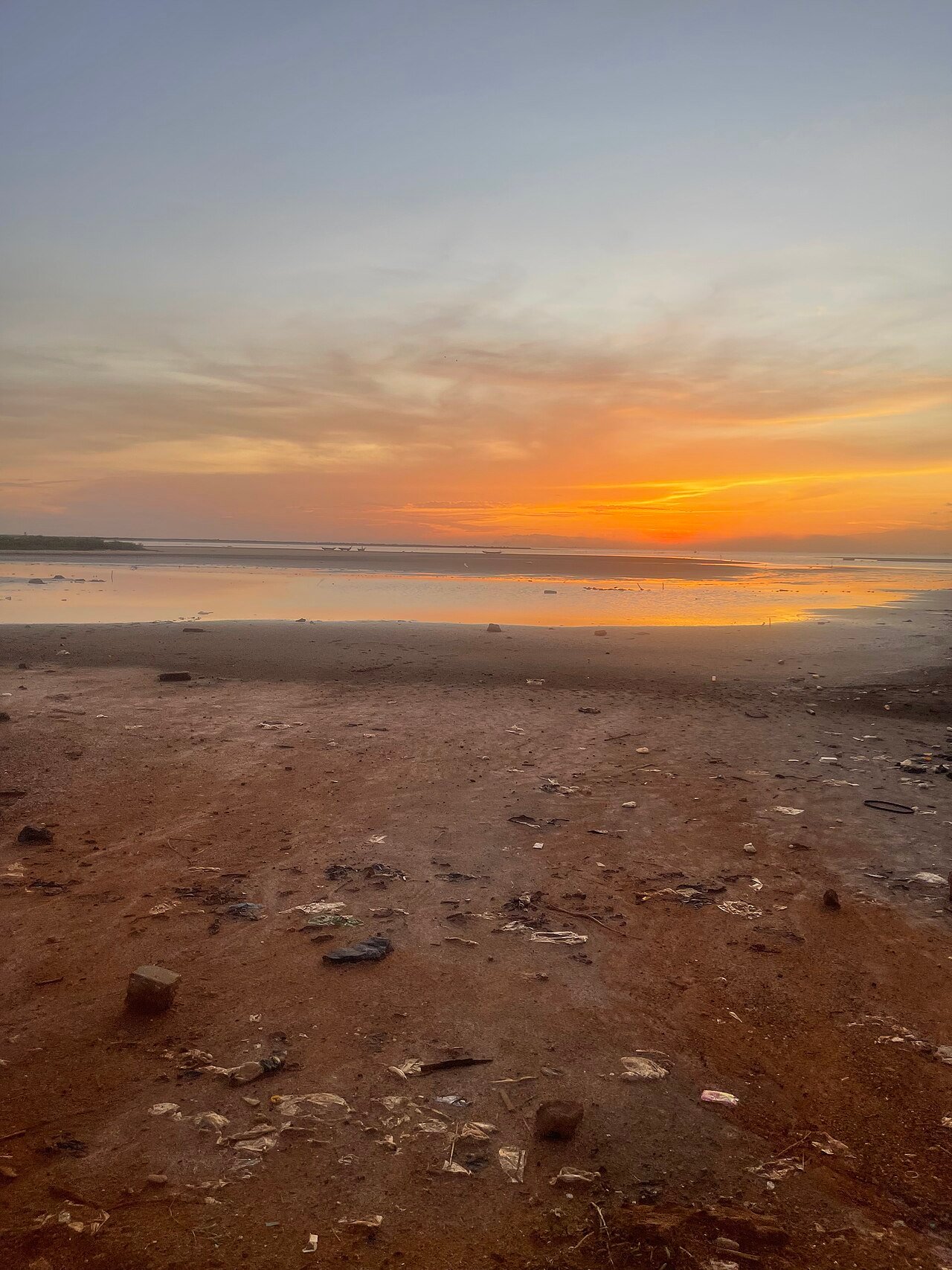
Environmental change is another part of the market’s history. Shoreline erosion and flooding have affected Keta and neighboring settlements over decades. The Keta Sea Defence Project, completed in stages in the early twenty-first century, aimed to protect the town and nearby communities, while reshaping coastal processes elsewhere. Market access, housing and livelihoods are connected to that changing physical landscape.
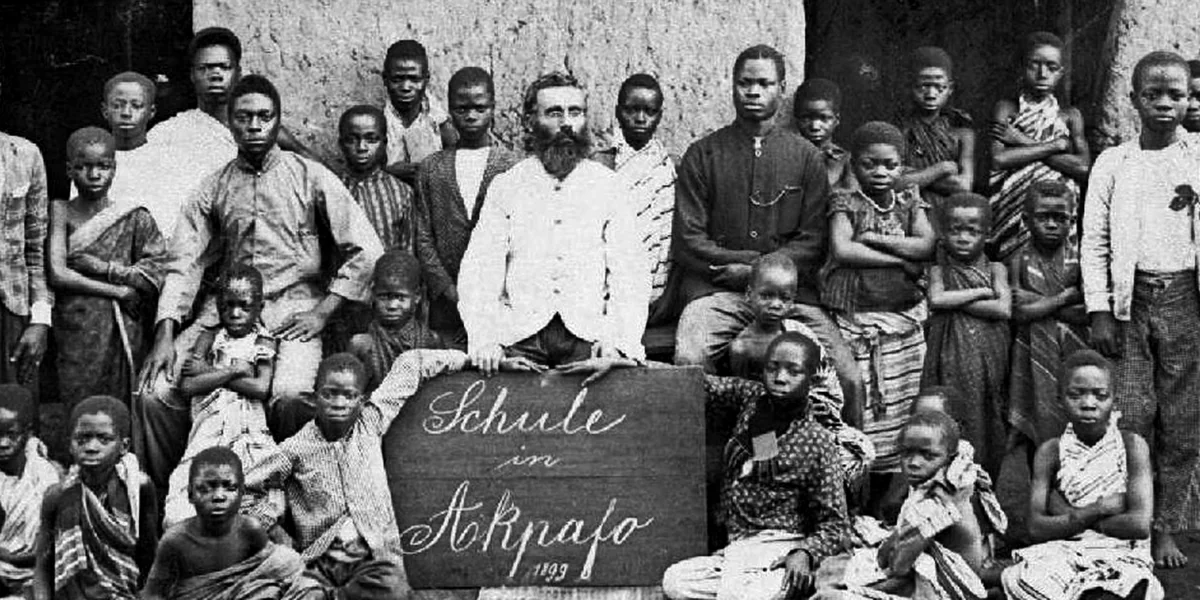
A market survives through people’s adaptation. Traders adjust the goods they sell and the routes they use; fishers and farmers respond to weather, ecology and demand. A history of Keta Market should include women traders and food processors, whose labor often connects production to household consumption and long-distance commerce. It should also record the memories of current vendors rather than assuming that colonial descriptions explain the present.
The meeting place at Keta is thus a lens on a much wider story: a lagoon economy, regional exchange, port history, colonial infrastructure and environmental pressure. The market tells us how communities turned local resources into connections across the coast and inland. To understand its changing role is to understand how Keta adapted as the water, roads and political economy around it changed.
A trading hub connected the lagoon to inland routes
Keta’s market economy was supported by goods that could be produced, processed and transported. Salt was especially important in a region where preservation extended the life of food and made it possible to move fish inland. Research on the Volta River salt trade traces production back several centuries and shows that colonial attempts to regulate the trade did not wholly determine prices; supply, demand and inland routes also mattered. Salt from lagoon communities entered a wider commercial system.
Fish followed similar routes. Lagoon catches could be dried or smoked, then carried to inland markets. The trade connected coastal settlements with communities along the Volta and further north. European observers sometimes wrote about the fish trade while focusing on slave commerce, but African markets served their own consumers and linked producers across distances. The coastal economy did not depend only on European ships.
The Keta Lagoon also supported more than market exchange. Its fisheries and salt flats formed part of household livelihoods and local knowledge. People understood seasonal water levels, fish movements and the conditions needed for salt production. When climate or coastal change altered those conditions, communities adjusted production and travel. The market was responsive to ecology as much as to price.
Keta’s status as a port and market changed with modern transport. In the colonial period, trade and administrative functions brought merchants and officials to the town. Later road networks and the development of Tema shifted commercial flows. Keta’s coastline has also been reshaped by erosion and coastal defence. These changes show how a market’s fortunes depend on infrastructure and physical geography, not simply the effort of traders.
A market is also social infrastructure. It creates regular occasions for people from different towns to meet, exchange news, arrange credit and sustain relationships. Women traders have often played a central role in such networks, though specific work and authority differ by period. Oral histories from Keta’s traders could reveal how access to stalls, goods and transport has changed over their lifetimes.
The market reflects a changing coastline
Keta’s coastal position has always been an advantage and a vulnerability. The sand spit that separates the lagoon from the Atlantic is dynamic; storms, currents and sediment shift the shoreline. When homes and roads are threatened, traders and customers may have to change routes or relocate. The market’s history is therefore also an environmental history.
The construction of coastal defenses altered the physical setting around Keta. The Keta Sea Defence Project was designed to reduce erosion and flooding, protect settlements and support infrastructure. Such interventions can protect one stretch while changing sediment movement elsewhere, so coastal research continues to examine the consequences of human structures and natural dynamics. This context matters because market activity depends on access, not just on the goods sold.
Keta’s changing role in national commerce also reflects shifting transport networks. The town’s earlier port importance declined as other ports and road connections expanded. The opening of Tema created a new industrial and shipping center closer to Accra, redirecting some commercial flows. This did not make Keta’s local market unimportant; it changed its place in the wider economy.
Sources and further reading
Sources and further reading
- Cambridge University Press, “Social Change in Eighteenth-Century Anlo: The Role of Technology, Markets and Military Conflict”
- Keta Market booklet excerpt, local history resource
- Keta Market booklet excerpt
- Jakob Spieth, The Ewe People, economic life and coastal livelihoods (supplied book)
- A. G. Hopkins, “The Volta River Salt Trade: The Survival of an Indigenous Industry”
- Emmanuel K. Akyeampong, *Between the Sea and the Lagoon*
- Research on coastal dynamics and erosion at Keta Sand Spit
Share: