





A quiet shore with a difficult past Atorkor is a coastal village in Anlo, between the Atlantic and the lagoon. The shoreline can appear calm, but the village’s history is tied to the violence of the Atlantic slave trade. A memorial at Atorkor makes…
A quiet shore with a difficult past
Atorkor is a coastal village in Anlo, between the Atlantic and the lagoon. The shoreline can appear calm, but the village’s history is tied to the violence of the Atlantic slave trade. A memorial at Atorkor makes that past public. It also raises questions that historians and community members continue to debate: what happened at this place, how should the story be told, and how can a community remember the trade without turning its suffering into a spectacle?
The first point of care is scale. Atorkor was part of a wider coastal system of trade and captivity. Fort Prinzenstein at nearby Keta, built by the Danes in the late eighteenth century, is a documented site connected to the Atlantic trade. Captives from inland areas were moved toward the coast through complex networks involving African political authorities, merchants and European traders. Atorkor’s local story must be situated within that broader history without transferring every documented practice at Keta or elsewhere onto Atorkor itself.
The transatlantic slave trade forcibly carried millions of African people across the ocean over several centuries. No single coastal village can stand in for all of that history. Nor can the story be reduced to a tally. Each number represents people taken from families, towns and political communities, and each local account helps readers understand how the trade was experienced on the ground.
The story told at the memorial
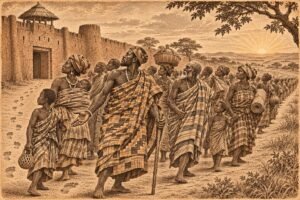
The Atorkor memorial preserves a local narrative about a foreign trader who invited young people aboard a ship for a drumming and dancing event. In one version, the village’s best dancer was kept home by her parents because she had not finished her chores. Those who went aboard were given alcohol, then captured and sold. The story is striking because it turns a celebration into a trap and makes the danger of enslavement visible through a specific community memory.

Historian Ann Bailey devotes a chapter of African Voices of the Atlantic Slave Trade to “The Incident at Atorkor.” Her work uses oral traditions and interviews to explore the memory of captivity and the ways communities have discussed the trade. Other scholars have noted that more than one version of the story circulates and that the memorial’s account has become an official public version. The narratives should not be forced into a single uncontested event without examining their differences.
That distinction is important. The story of the dance and capture is a community account preserved through oral memory. It may carry a historical recollection, an explanation of local vulnerability, a moral warning or several meanings at once. To establish the precise event, researchers would need to compare oral histories, archival records, the history of the memorial and the different versions held by families and chiefs. The tale deserves to be told, but readers should know what kind of evidence it represents.
The village before the memorial
Local tradition says Atorkor was first known as Adelako Kope, associated with Adelako, a son of an Awoamefia. The account describes a settlement used for hunting and fishing before it became connected with coastal trade. Other explanations of the name “Atorkor” link it to words attributed to Akan-speaking traders, but the etymology is a local tradition, not a settled linguistic conclusion.
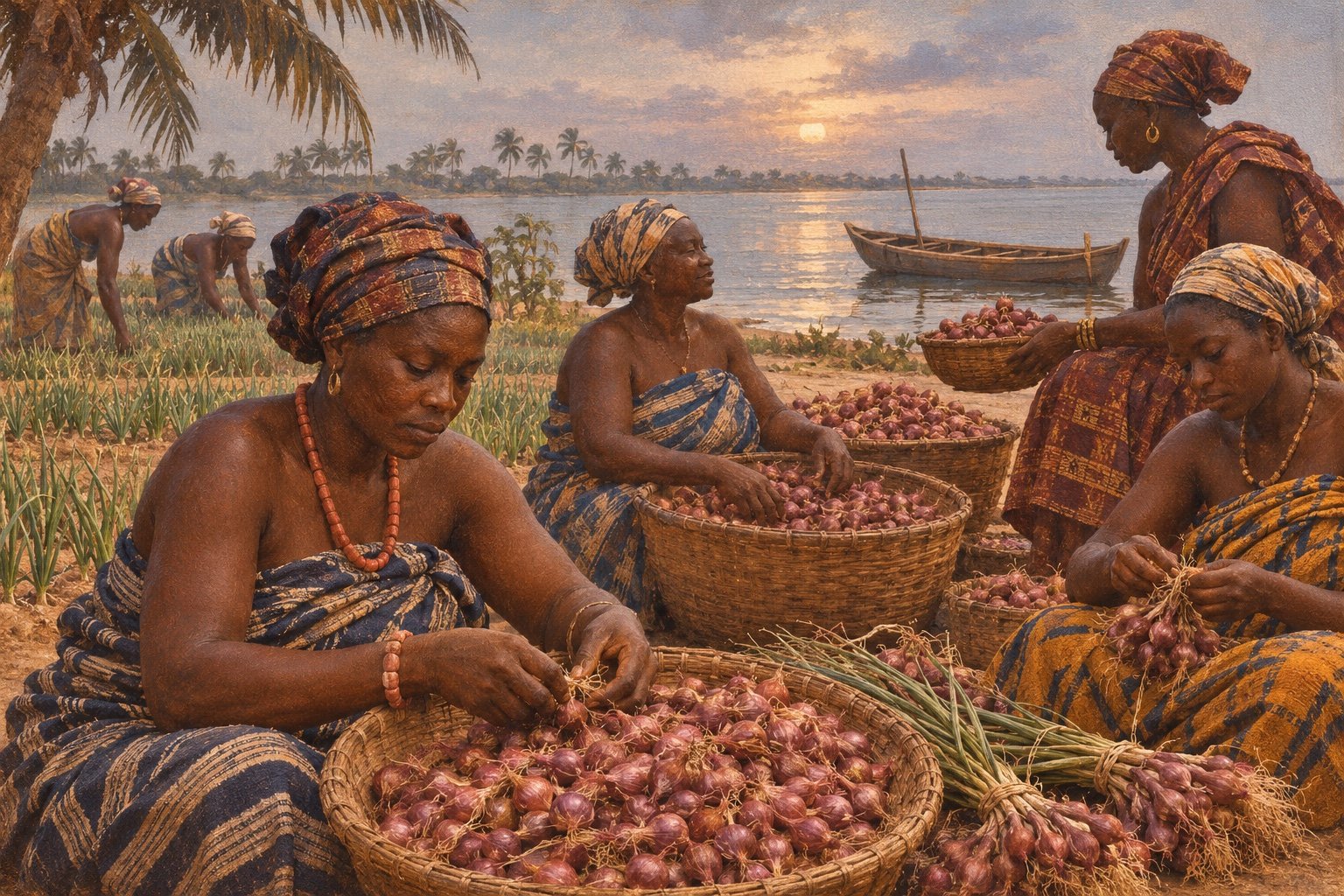
This earlier history matters because it prevents the village from being defined only by slavery. Atorkor was a community with its own settlement story, leadership, livelihood and relationships to the lagoon and sea. The slave-trade memory is central, but it is not the whole of local life. People continue to live, work, raise families and make decisions there today.
The memorial itself is part of the modern history. Its sculpture and frieze tell a version of the encounter and ask visitors to confront the violence of capture. Public monuments can give descendants a place to mourn and teach. They can also raise difficult questions about whose account is represented, whether an image of suffering is respectful and how tourism affects a community’s control over its memory.
Remembering complicity without flattening history
The Atlantic slave trade depended on European demand and shipping, but it also involved African political and commercial actors. A serious history must acknowledge both the coercion of the trade and the varied roles people played within it. Some rulers and merchants profited from selling captives; other communities resisted raids, hid people or tried to protect their members; many individuals faced impossible choices under threat. “Africa sold its people” is too broad to explain those differences, and “Europe alone acted” erases African political histories. The evidence is more complex and more human.
Bailey’s work is especially important because it asks how silence, shame and memory shape contemporary discussion of slavery. Communities may remember ancestors who were captured, ancestors who survived, and ancestors who were accused of taking part in the trade. These histories can be painful. A memorial can open a conversation that had been difficult to have, but it should not dictate one moral identity for every descendant.
A place for mourning and learning
Atorkor’s memorial can help visitors see that the slave trade was not an abstract oceanic system. It touched particular villages, families and relationships. The story of the dance aboard a ship is memorable because it gives the violence a human point of entry. It must be told with the care due to a community’s grief: attribute the account, identify its variations and avoid claiming more than the evidence establishes.

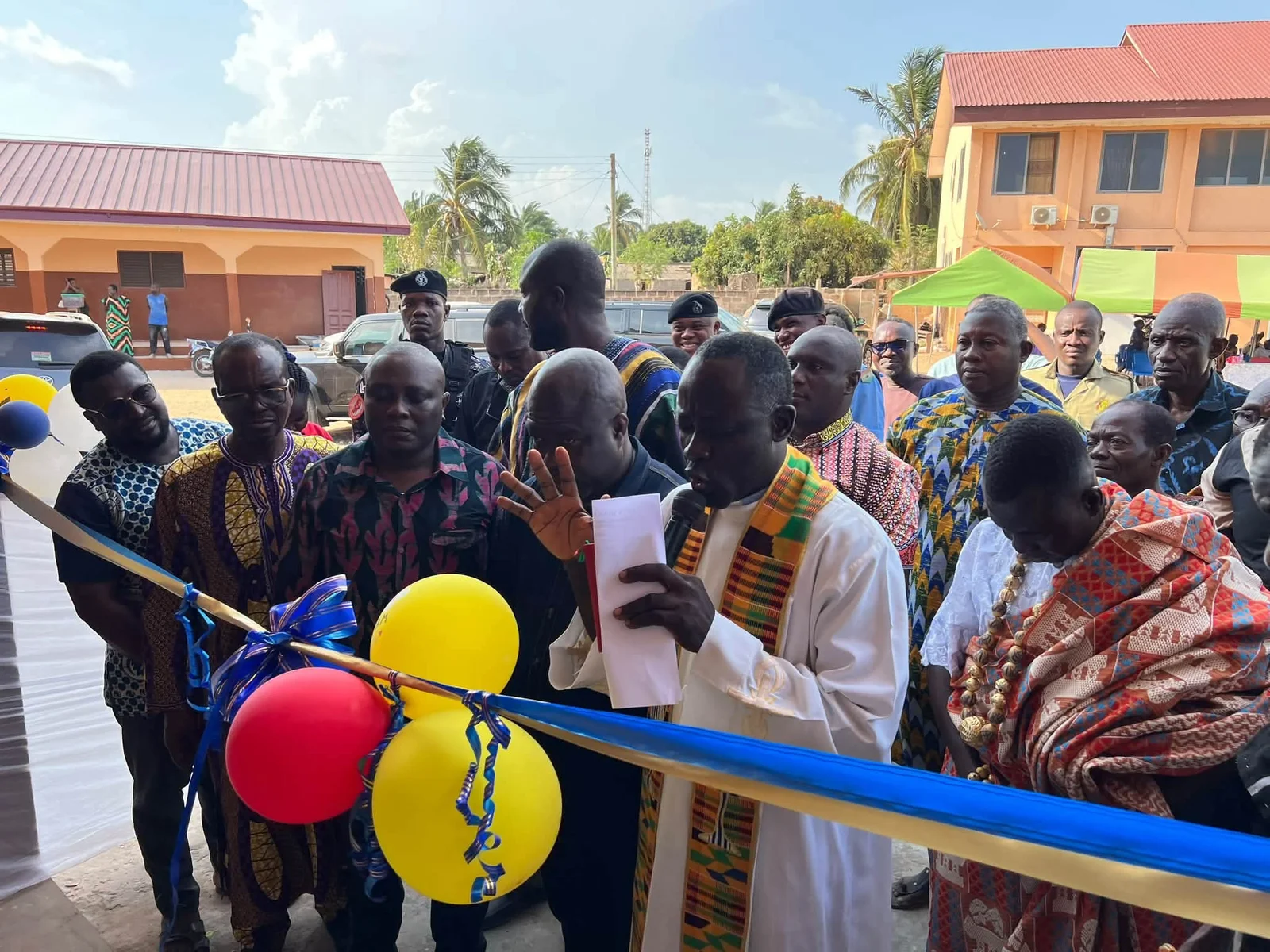
Atorkor’s community maintains the memorial and interprets its meaning. The site is not a backdrop: its custodians are active authors of its history, and photography is subject to their permission.
The story ends, not with the ship, but with remembrance. The memorial gives the village a place to name what happened and to teach what must not be forgotten. Its message is strongest when it holds local tradition, historical research and the voices of descendants together—honest about uncertainty, direct about the violence of enslavement and respectful of the people who continue to live with the past.
From Fort Prinzenstein to a village memorial
Fort Prinzenstein in Keta is a substantial, documented structure in the history of Atlantic slavery. Built by the Danes in the late eighteenth century, the fort functioned within a coastal system that linked European trading companies with African political authorities, merchants and networks of captivity. It is tempting to attach every account of confinement, branding or sale to the fort or to Atorkor. Each detail, however, needs its own source. The history of the entire trade is not evidence for a specific event at a specific site.
Atorkor’s memorial helps explain why a local story became central to public memory. The sculpture and frieze represent the community account of a trader’s invitation and the capture of young people. The narrative echoes a wider truth of enslavement: people could be taken through deception, force, political conflict or raids. But the specific story of a dance aboard a ship is an oral tradition that historians have collected in different versions. The distinction makes the story more, not less, powerful. It reveals what the community has chosen to remember about vulnerability and loss.
The historian who listened to descendants
Ann C. Bailey’s African Voices of the Atlantic Slave Trade places the Atorkor account within a broader inquiry into African memories of slavery. She used interviews and oral narratives to examine the “Incident at Atorkor,” the shame and silence associated with the trade, and how communities remember both enslavement and African participation. Her approach moves beyond a European archive of ships and forts to ask what the trade meant to African people and their descendants.
The memorial’s version and Bailey’s record should be read alongside one another, not collapsed into a single uncontested transcript. There are variations in the story, and the local leaders and families who preserve it have their own interpretations. Listening to those accounts helps explain how a community’s history is made public after generations of difficult memory.
Sources and further reading
Sources and further reading
- Ann C. Bailey, *African Voices of the Atlantic Slave Trade: Beyond the Silence and the Shame*
- Senam Awo Okudzeto, *Ghana Must Go: Modernity, Memory and Material Culture in Post-Independence West Africa* (PhD thesis)
- “Emotive Histories: The Politics of Remembering Slavery in Contemporary Ghana”
- Visit Ghana, Atorkor and Anlo heritage
Share: