




How Anlo communities adapted to lagoon life through canoe knowledge, fishing, salt-making and trade—while oral tradition and historical research preserve different parts of the story.
For Anlo families living beside the Keta Lagoon and the Atlantic coast, water has long been a source of food, work, travel and exchange. The story of Anlo life here is not only a story of migration; it is also a story of people learning a demanding landscape and reshaping their livelihoods over generations.


A lagoon is a landscape, not a backdrop
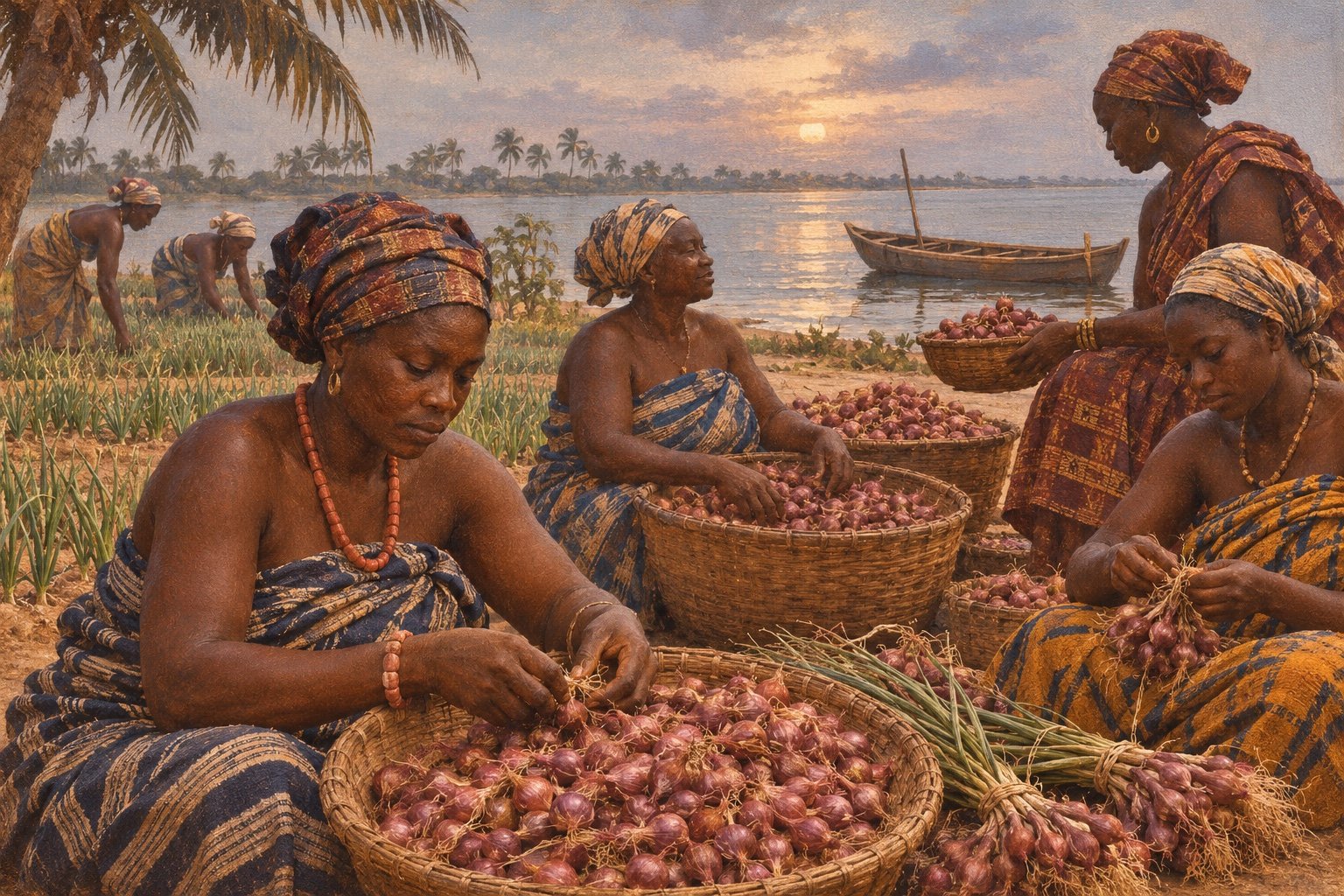
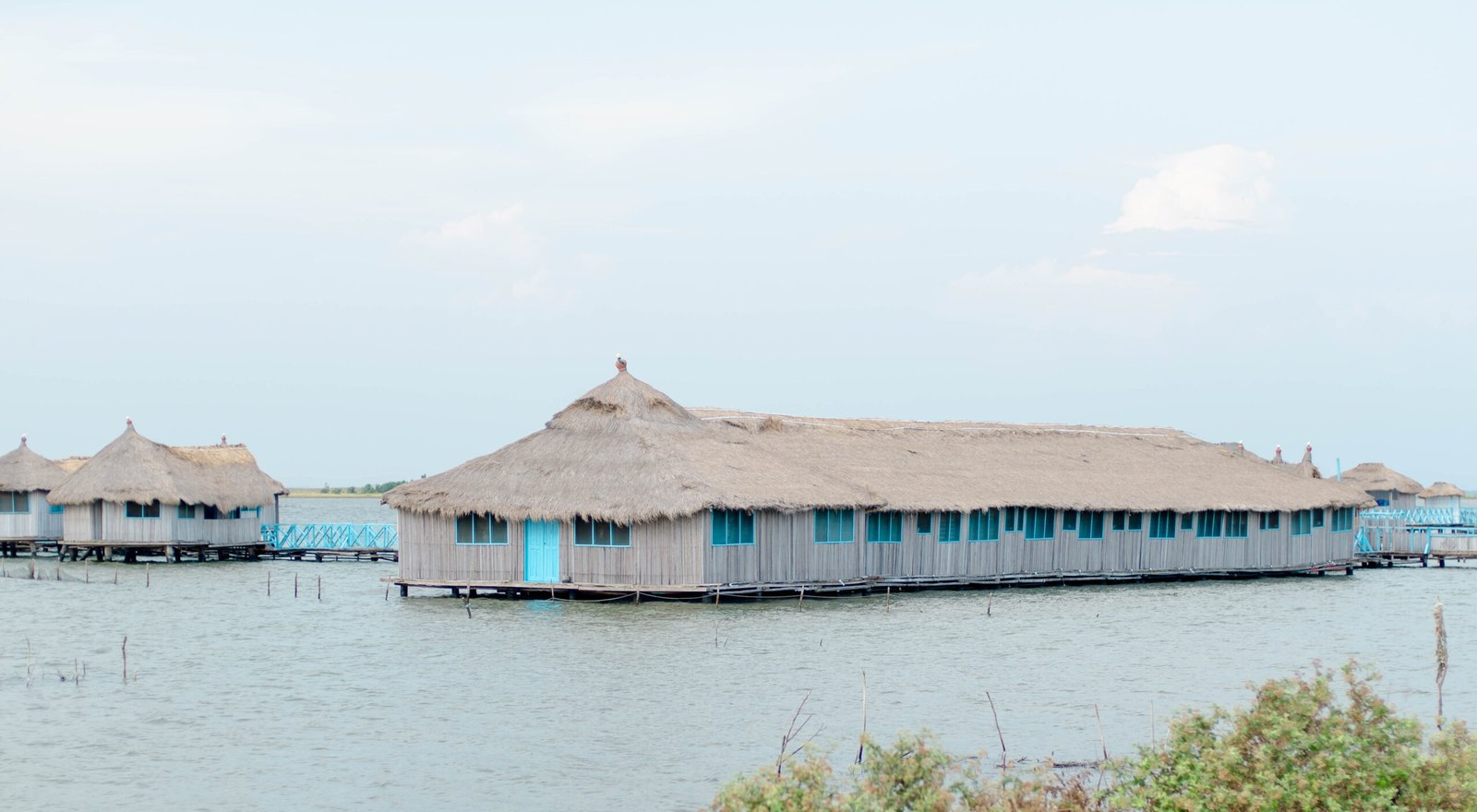
Anlo is one of several Ewe-speaking communities in southeastern Ghana. Its history took shape around a distinctive meeting of lagoon, river, floodplain and sea. The Keta coast and its changing shoreline are often discussed through forts and migration, but the lagoon was just as important to daily life. Fishing and salt-making linked nearby settlements to one another and to wider trading routes.
That setting mattered because it demanded skills. People needed to understand shallow channels, shifting water, seasonal conditions and the difference between a route that could be crossed on foot and one that required a boat. These were not simply “natural” resources waiting to be used. Communities built knowledge around them.
What Anlo oral traditions remember about boats
Historian Sandra E. Greene’s study of eighteenth-century Anlo brings oral accounts into conversation with written and scholarly evidence. In traditions she recorded, early Anlo settlers are remembered as arriving without much experience in boat use. Some accounts describe a first canoe called an agowu, made by hollowing out a fan-palm trunk. It was said to capsize easily. A more stable canoe, remembered as the lewu, is associated in oral history with Amega Le.
These details should be read carefully. They are remembered accounts, not a dated engineering record, and spellings vary between tellings. Their value is that they show how Anlo communities explained a practical change: better boats opened more of the lagoon to fishing and travel. Canoe knowledge became part of how people understood settlement, movement and the making of a livelihood.
Salt, fish and the growth of exchange
The lagoon supported more than one kind of work. Greene’s research describes changes in fishing and salt-making methods during the eighteenth century, alongside the growth of markets for Anlo goods. The shift did not happen overnight. New techniques alone did not immediately transform Anlo society; their effects became stronger when new trading opportunities opened.
Political conflict helped shape those opportunities. Greene connects the expansion of local markets to conflicts between Asante and its southern neighbours. These disruptions could be dangerous, but they also changed where traders could take locally produced goods. Salt and fish were not minor by-products: they helped connect lagoon communities to inland and coastal exchange. The story is therefore about both skill and circumstance—people developing ways to work the lagoon, while regional events altered the routes through which their products moved.
Scholar Emmanuel Akyeampong’s account of the Anlo-Ewe likewise emphasizes the close relationship between the lagoon, the sea and the community’s economic life. Later archaeological work at Keta has combined oral tradition, field observation and material evidence to study settlement and contact. Together, these approaches remind us that history is strongest when it compares different kinds of evidence instead of relying on one simplified origin story.
Did you know?
In Anlo oral history, the names agowu and lewu preserve a memory of changing canoe technology—from an early boat said to be unstable to a more dependable design. The story turns a piece of everyday equipment into a record of adaptation.
A living relationship with the lagoon
The Keta Lagoon remains a working landscape as well as a place of ecological importance. Ghana’s current Ramsar management plan describes a complex of lagoon waters, floodplains, marshland and mangrove stands across the southeastern coast. Communities still depend on lagoon resources, while conservation efforts face the difficult task of protecting habitats alongside local livelihoods.
This history belongs specifically to Anlo and its coastal setting; it should not be used as a single template for every Ewe community. The wider Ewe story includes different settlements and local histories, from Notsie in Ewe memory to the border-crossing experiences of Agotime. The Eʋegbe language carries many of these histories forward in different voices.
Seen this way, the lagoon’s history is not a tale of people simply “conquering” nature. It is a record of observation, experimentation, exchange and change. The canoe, the salt pan and the market each tell part of how Anlo people made a home beside waters that could feed them, connect them and sometimes place them at risk.
Sources and further reading
- Sandra E. Greene, “Social Change in Eighteenth-Century Anlo: The Role of Technology, Markets and Military Conflict,” Africa 58, no. 1 (1988), doi:10.2307/1159871.
- Emmanuel Akyeampong, “Between the Sea and the Lagoon: The Anlo-Ewe of Southeastern Ghana,” in The Ghana Reader: History, Culture, Politics, chapter record.
- B. Gokah, An Archaeological Investigation of Selected Ewe-Danish Contact Sites at Keta, Volta Region, Ghana (University of Ghana, 2017), repository record.
- Keta Lagoon Complex Ramsar Site Management Plan 2023–2032.
Share: